
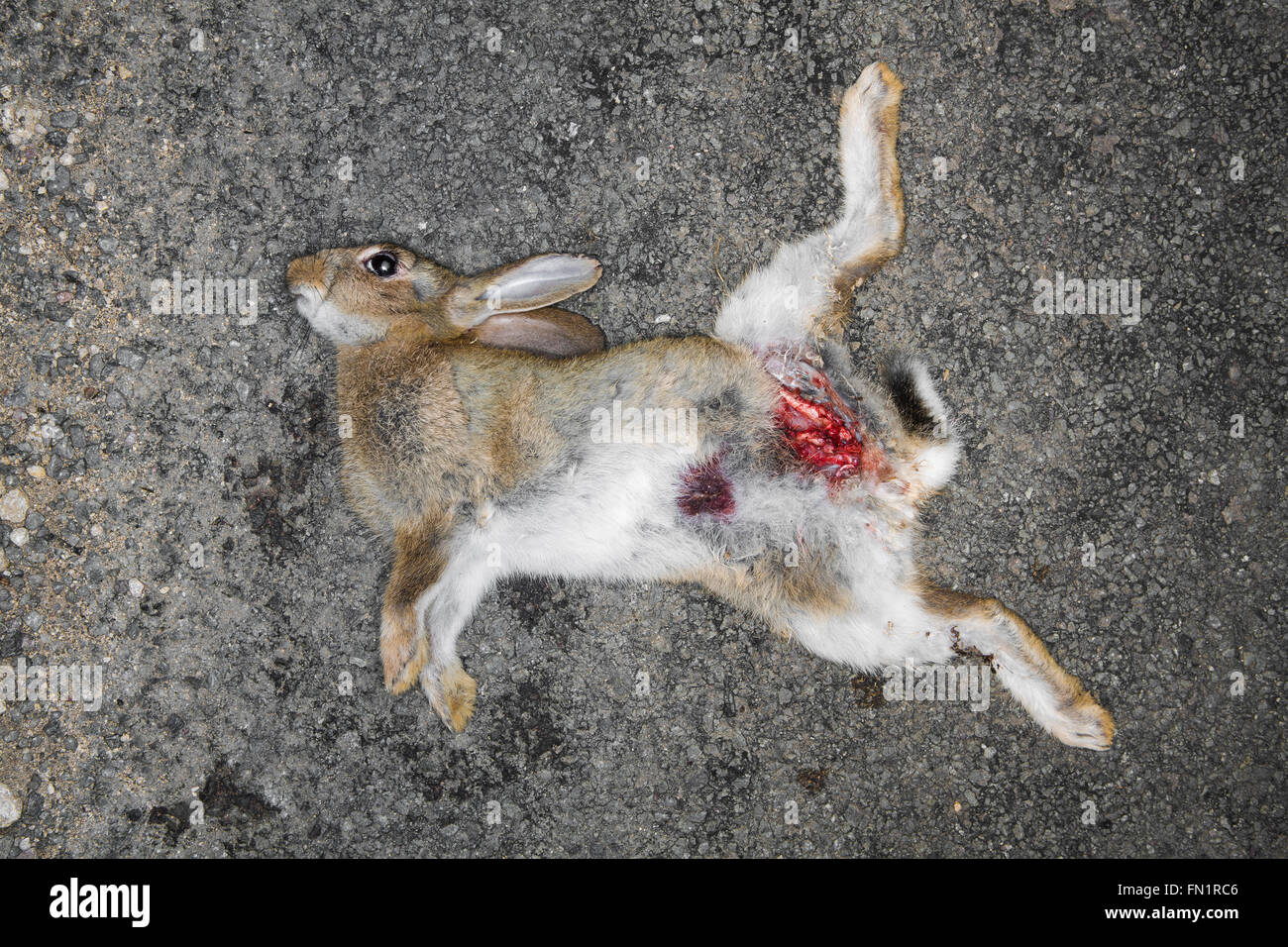
Driving down scenic roads can often lead to unexpected encounters with wildlife. The interaction between vehicles and animals is a significant concern, particularly in regions where nature and human infrastructure intersect closely. The increasing number of vehicles makes roads feel like barriers to wildlife rather than open paths. The tragic consequence is often wildlife casualties, as seen in the unsettling image of a dead rabbit on the road, highlighting the urgent need to address this issue.
Recognizing Wildlife Crossings
Animals, driven by their instinctual migratory paths, often cross highways and rural roads in search of food, water, or mates. This natural behavior sadly results in countless wildlife deaths each year. One such place where this is frequently observed is on what is whimsically referred to as Rabbit Road, a stretch known for its vibrant rabbit population. This road is a stark example of the challenges wildlife face in staying safe amidst human development.
Efforts in Mitigation and Prevention
Efforts around the world are being made to reduce these incidents. Wildlife corridors, bridges, and tunnels have been constructed in various countries to ensure safe passage for animals. In addition, innovative technologies such as wildlife detection systems are being set up to alert drivers of animals on the road ahead. These measures not only protect wildlife but also help prevent car accidents caused by abrupt maneuvers to avoid animals.
The Role of Drivers
While infrastructure can support wildlife safety, drivers themselves play a crucial role. Increased awareness and cautious driving in areas known for animal crossings can mitigate potential harm. Signage warning of animal crossings, reduced speed limits, and driver education programs are key components in changing driving habits to increase safety for both humans and animals alike.
The Broader Environmental Impact
The impact of roads on wildlife goes beyond deaths and injuries. Roads can fragment habitats, separate populations, and disrupt ecosystems. This fragmentation can lead to genetic isolation, decreased biodiversity, and altered natural behaviors of various species. Addressing these wider environmental issues requires a holistic approach to infrastructure planning that integrates conservation goals.
Community and Conservation
Communities can also aid in wildlife conservation efforts by participating in citizen science projects that monitor wildlife-road interactions, advocating for the installation of crossing structures, and supporting policies that prioritize environmental considerations in road-building projects. Public awareness campaigns and educational initiatives can play a strong role in fostering a sense of shared responsibility towards wildlife conservation.
Conclusion
The challenge of wildlife on roads is a complex issue requiring cooperation between governmental bodies, conservation groups, and the wider public. By increasing awareness and bolstering efforts towards wildlife safety measures, and making conscientious driving decisions, we can create safer environments both for wildlife and for people. Only through a comprehensive approach can we hope to maintain balance between necessary human development and the preservation of nature.